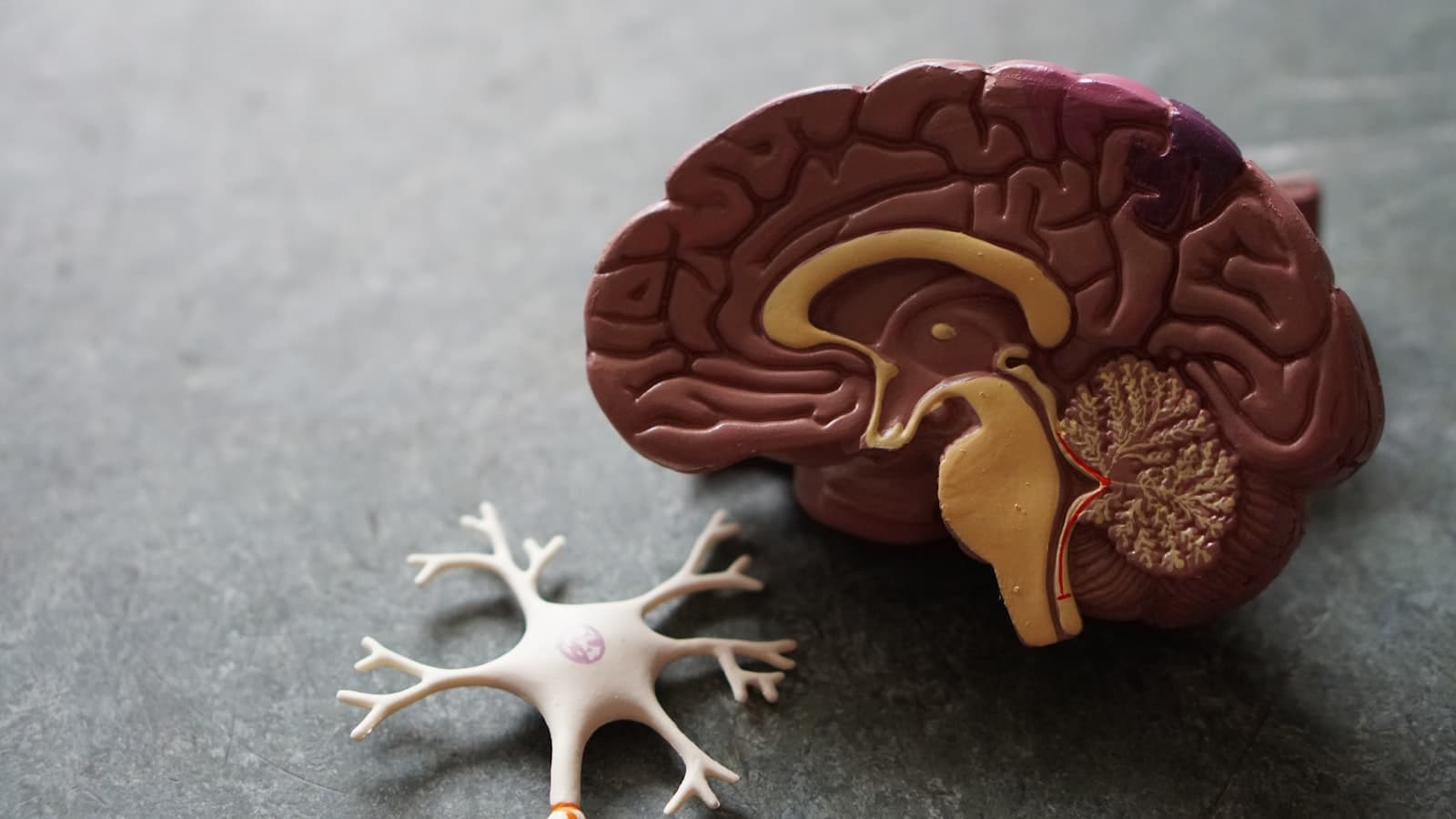
You're Not Obsessed With Food. Your Brain Is.
You just finished lunch, and you're already thinking about dinner. You can't walk past a kitchen without scanning for snacks. You lie in bed planning tomorrow's meals. This relentless mental loop has a name: food noise — and for millions of people, it's the single biggest barrier to sustainable weight loss.
The Science Behind Food Noise
Food noise isn't a personality flaw. It's driven by neurochemistry — specifically, the interplay between ghrelin (your hunger hormone), leptin (your satiety hormone), and dopamine reward pathways. In people with obesity, these signals are chronically dysregulated, creating a constant state of perceived hunger that has nothing to do with actual caloric need.
🧠 What Food Noise Feels Like
How GLP-1 Medications Help
GLP-1 receptor agonists like semaglutide and tirzepatide work directly on the hypothalamus — the brain's appetite control centre. Users consistently report that within 2–4 weeks, the constant mental chatter about food quiets dramatically. They describe it as "freedom" — the first time they can think about something other than their next meal.
"It wasn't that I couldn't eat. It was that I didn't constantly need to. For the first time in 20 years, food wasn't running my life." — MetaFit user, Bangalore
Food Noise Is Not the Same as Hunger
The distinction matters clinically. Physical hunger builds gradually, is satisfied by most foods, and settles once you have eaten. Food noise is intrusive rather than escalating, tends to specify a particular food, and often persists after a full meal. People describe it as a background process that never quite terminates — closer to a stuck thought than to an appetite.
That framing explains why conventional advice so often fails. Being told to drink water, distract yourself, or exercise more targets willpower, but food noise is not a willpower deficit. Asking someone to out-discipline a persistent neurochemical signal usually produces a cycle of short-term restriction followed by rebound, plus a layer of guilt that makes the next attempt harder.
Why Food Noise Gets Louder When You Diet
Anyone who has lost weight and then regained it has met this directly. Calorie restriction raises ghrelin and lowers leptin, and those changes persist well beyond the diet — studies tracking people after significant weight loss find appetite hormones still shifted toward hunger a year later. The body defends its previous weight by turning the volume up.
This is the physiological reason "just eat less" fails at scale. The intervention that creates the deficit is the same one that intensifies the signal working against it.
How GLP-1 Medications Help
GLP-1 receptor agonists like semaglutide and tirzepatide work directly on the hypothalamus — the brain's appetite control centre. Users consistently report that within 2–4 weeks, the constant mental chatter about food quiets dramatically. They describe it as "freedom" — the first time they can think about something other than their next meal.
"It wasn't that I couldn't eat. It was that I didn't constantly need to. For the first time in 20 years, food wasn't running my life." — MetaFit user, Bangalore
Mechanistically, these medications mimic a gut hormone released after eating. Receptors sit not only in the pancreas and stomach but in the hypothalamus and in reward-related regions, which is why the effect is described as mental quiet rather than simple fullness. The reduction in food noise is frequently reported before meaningful weight change appears on the scale.
What to Expect, and What Not To
Many people notice reduced food noise within the first few weeks, often at starting doses.
Some describe near-total silence; others a noticeable reduction. Dose and individual biology both matter.
Eating driven by stress, boredom, or habit is a learned pattern and needs behavioural work alongside.
The medication manages an ongoing condition rather than curing it, which is why the habit window matters.
Using the Quiet Window Well
The most valuable feature of reduced food noise is that it makes behaviour change cheap. Habits that previously required constant vigilance — eating protein first, stopping at comfortable fullness, not snacking through the evening — become far easier to establish when the underlying signal has quietened. That is precisely when structured habit work pays off most, and precisely when it is easiest to skip because everything already feels effortless.
MetaFit: Medical Support Beyond the Prescription
Silencing food noise is powerful — but it's a window of opportunity, not a permanent fix on its own. MetaFit's coaching team helps you build lasting habits during this window: structured meal timing, protein-first eating, mindful consumption. So when the medication's role eventually reduces, the habits remain.
We also treat the return of food noise as clinical information rather than personal failure. If it comes back mid-programme, that is a signal to review dose, protein intake, sleep, and stress with your doctor — not a reason to conclude the approach stopped working.
Explore the topic
- GLP-1 weight loss in India
The complete guide to GLP-1 therapy, results and safety for Indian patients.
- Check your GLP-1 eligibility
Find out whether doctor-supervised GLP-1 therapy is clinically appropriate for you.
References
This article is for general information and is not a substitute for individual medical advice. Prescription medicines referenced here are regulated in India by the Central Drugs Standard Control Organisation (CDSCO) and are dispensed only against a valid prescription from a registered medical practitioner.
Ready to Start Your Weight Loss Journey?
Get a personalized medical assessment from MetaFit's expert doctors — tailored for the Indian lifestyle.
Book a Free ConsultationOr download the app to get started