Quick answer: Yes, prediabetes is frequently reversible, and the evidence is unusually strong. The Diabetes Prevention Program found lifestyle intervention reduced progression to type 2 diabetes by 58% in people at high risk — more effective than metformin in that trial. The ICMR-INDIAB study estimated 136 million people in India have prediabetes, against 101 million with diabetes.
The scale of the problem
The ICMR-INDIAB national study put diabetes at 101 million people and prediabetes at 136 million. That second number is the one worth sitting with: more Indians are currently in the reversible window than have crossed out of it.
Prediabetes has no symptoms. It is found on a blood test or not at all, which is why so much of it goes undetected until it is no longer prediabetes.
What prediabetes actually is
It is the stage where blood glucose is higher than normal but not yet in the diabetic range. Underneath it is insulin resistance: your cells respond poorly to insulin, so the pancreas compensates by producing more. For years that compensation holds the line. Type 2 diabetes is diagnosed when it stops holding.
That compensating period is your opportunity. The beta cells are still working — they are just being asked to do too much.
What the evidence says works
Lifestyle change, first and strongest. The Diabetes Prevention Program achieved a 58% reduction in progression to diabetes through modest weight loss and increased physical activity. That is a large effect from an unglamorous intervention.
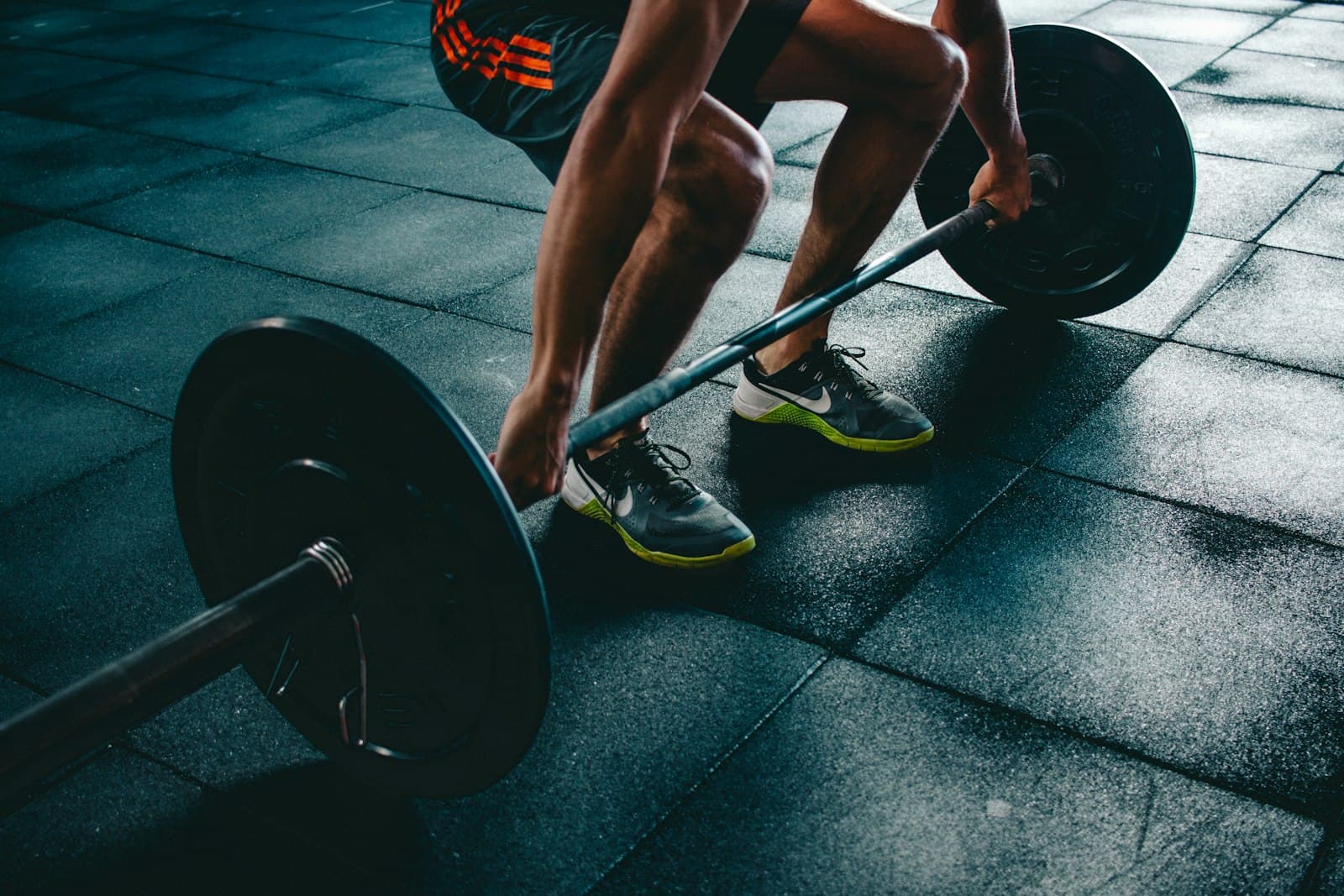
Physical activity, at a specific dose. WHO guidelines recommend 150–300 minutes of moderate activity weekly plus muscle strengthening on two or more days. Muscle is where most glucose is disposed of, so resistance training is not optional here — it is mechanistically central.
Weight loss, particularly visceral. Losing abdominal fat improves insulin sensitivity disproportionately, which matters given South Asians carry more visceral and liver fat at a given BMI.
Medication, where appropriate. Three-year SURMOUNT-1 data examined tirzepatide's effect on progression to type 2 diabetes in people with obesity and prediabetes. Whether medication is right for you is a clinical decision, not a default.
The Indian dietary angle
The common pattern is not "too much food" so much as too much refined carbohydrate with too little protein. A meal of white rice and a small portion of dal is a large glucose load with little to blunt it. Practical shifts that work in real Indian kitchens: raise the protein share at each meal, move some refined grain back to whole, eat vegetables before the carbohydrate portion, and walk for ten minutes after dinner.
None of that requires abandoning Indian food. It requires rebalancing the plate.
Get tested if this applies to you
Ask for a fasting glucose and HbA1c if you have a family history of diabetes, a rising waist measurement, PCOS, fatty liver, high blood pressure, or a history of gestational diabetes. Given Indian risk starts at lower BMIs, waiting until you look unwell is waiting too long.
The honest framing
Reversal is real but conditional — it holds while the changes hold. Think of it as moving to a different long-term pattern of eating and movement, not completing a programme. The 58% figure came from people who sustained the change.
Explore the topic
- GLP-1 weight loss in India
The complete guide to GLP-1 therapy, results and safety for Indian patients.
References
- Knowler WC et al. Reduction in the Incidence of Type 2 Diabetes with Lifestyle Intervention or Metformin. New England Journal of Medicine, 2002 (DPP) — 58% risk reduction with lifestyle change.
- Anjana RM et al. Metabolic non-communicable disease health report of India: the ICMR-INDIAB national cross-sectional study. Lancet Diabetes & Endocrinology, 2023 — 101 million people with diabetes and 254 million with generalised obesity in India.
- Jastreboff AM et al. Tirzepatide for Obesity Treatment and Diabetes Prevention. New England Journal of Medicine, 2025 — three-year SURMOUNT-1 outcomes in prediabetes.
- Bull FC et al. World Health Organization 2020 guidelines on physical activity and sedentary behaviour. British Journal of Sports Medicine, 2020 — 150–300 minutes of moderate activity per week, plus muscle strengthening on 2+ days.
- Liver, visceral and subcutaneous fat in men and women of South Asian and white European descent: a systematic review and meta-analysis. Diabetologia, 2022 — South Asians store more liver and abdominal fat at a given BMI.
This article is for general information and is not a substitute for individual medical advice. Prescription medicines referenced here are regulated in India by the Central Drugs Standard Control Organisation (CDSCO) and are dispensed only against a valid prescription from a registered medical practitioner.
Ready to Start Your Weight Loss Journey?
Get a personalized medical assessment from MetaFit's expert doctors — tailored for the Indian lifestyle.
Book a Free ConsultationOr download the app to get started