Quick answer: No biscuit is a weight-loss food. Most "diet", "digestive" and "sugar-free" biscuits sit between 400 and 500 kcal per 100 g, which is close to regular biscuits, and their portion size is what makes them look better on the pack. If you want biscuits with your chai, have them deliberately and count them.
What the labels actually mean
"Digestive" describes a style of wheatmeal biscuit, not a digestive benefit. "Sugar-free" usually means sucrose has been replaced with another sweetener while the refined flour and fat — the bulk of the calories — remain. "Ragi" or "multigrain" often means a small proportion of the flour has been substituted, which changes the marketing more than the nutrition.
The per-serving figure on the front is also usually two biscuits. Nobody eats two.
Why biscuits are hard to eat sensibly
Biscuits are calorie-dense, low in protein, low in fibre and engineered to be easy to keep eating. Four marie biscuits are about 100 kcal and will not register as food; 100 kcal of curd or a boiled egg will. That is the whole problem — not the biscuit itself, but what it displaces and how little it satisfies.
If you are going to eat biscuits anyway
Read the per-100 g column rather than per serving, since that is the only way to compare products honestly. Prefer ones with visible fibre content and no palm oil high in the ingredient list. Then take out the number you intend to eat and put the packet away — eating from an open packet while doing something else is how a two-biscuit plan becomes eight.
Better things to have with chai
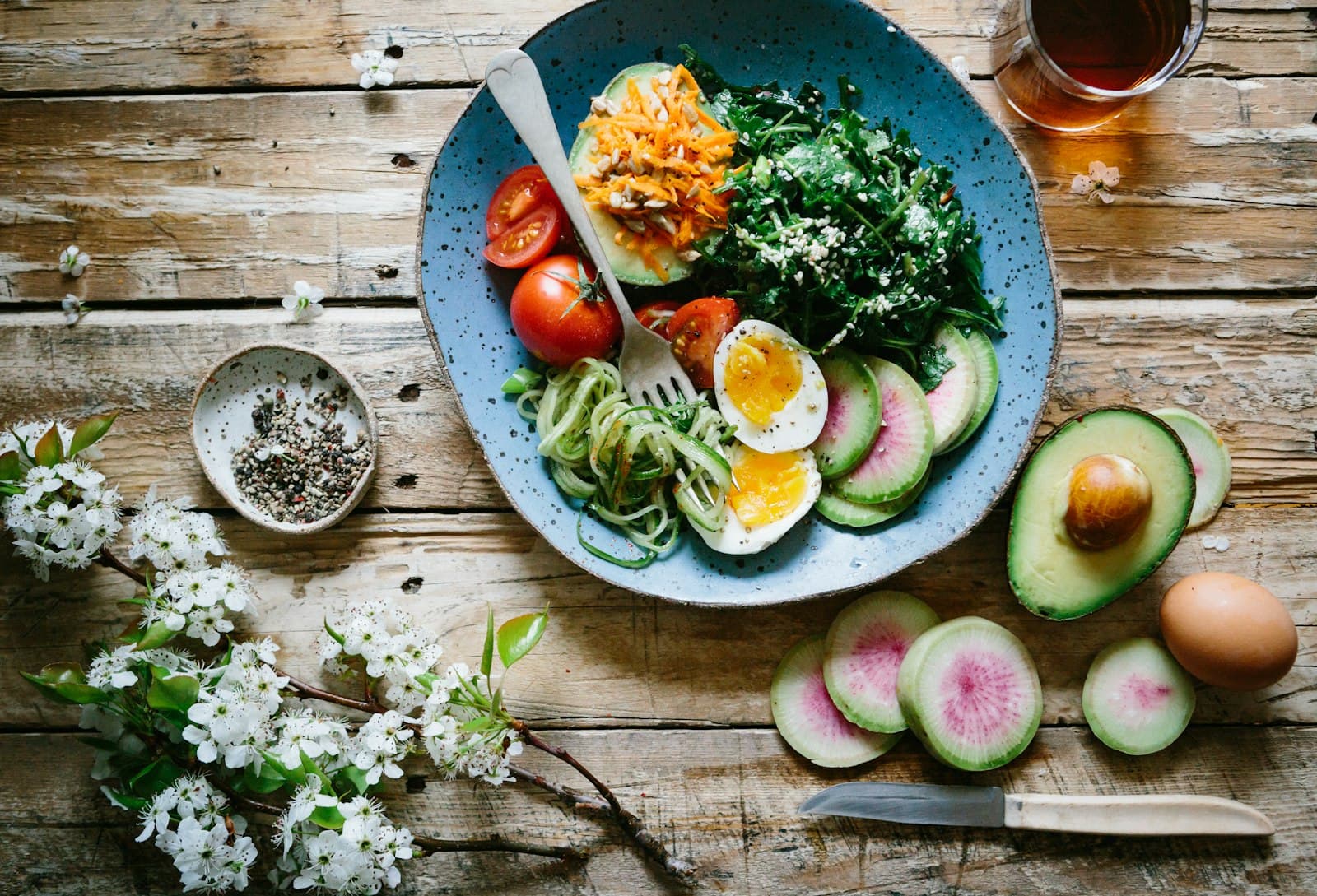
Roasted chana, a small handful of peanuts, makhana, or a boiled egg all deliver protein or fibre for a similar calorie cost and actually blunt hunger before the next meal. None of them require giving up the chai.
This is not a moral point about biscuits. It is that most people eating four biscuits at 5pm are hungry, and biscuits are the one option on the table that will not fix that.