Quick answer: A gym is a convenience, not a requirement. WHO guidelines ask for 150–300 minutes of moderate activity per week plus muscle strengthening on two or more days — all of which can be achieved with walking, bodyweight work and household routine. Diet remains the larger lever for weight loss; activity protects muscle and metabolic health.
What you actually need to hit
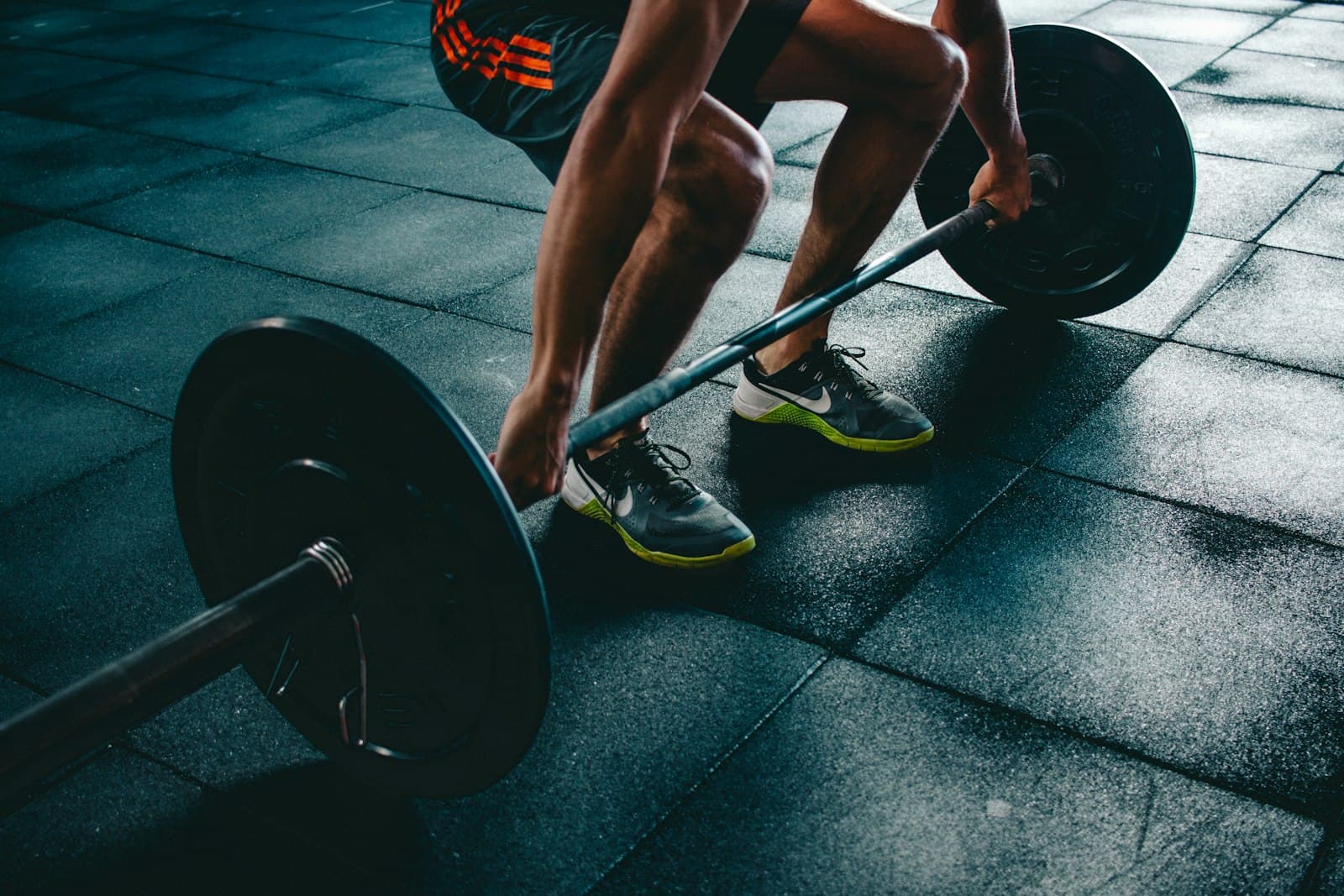
The WHO 2020 guidelines set two targets for adults: 150–300 minutes of moderate-intensity aerobic activity weekly, and muscle-strengthening activity involving major muscle groups on two or more days a week.
Neither specifies equipment. The second target is the one people skip, and it is the one that matters most during weight loss, because muscle is lost alongside fat unless you give the body a reason to keep it.
The aerobic half, without a treadmill
150 minutes sounds like a lot until you divide it: roughly 22 minutes a day, or 30 minutes across five days. Options that work in Indian cities without a gym membership:
- Walking, broken into blocks. Three ten-minute walks count the same as one thirty-minute walk. A walk after dinner is particularly useful — it helps post-meal glucose and digestion.
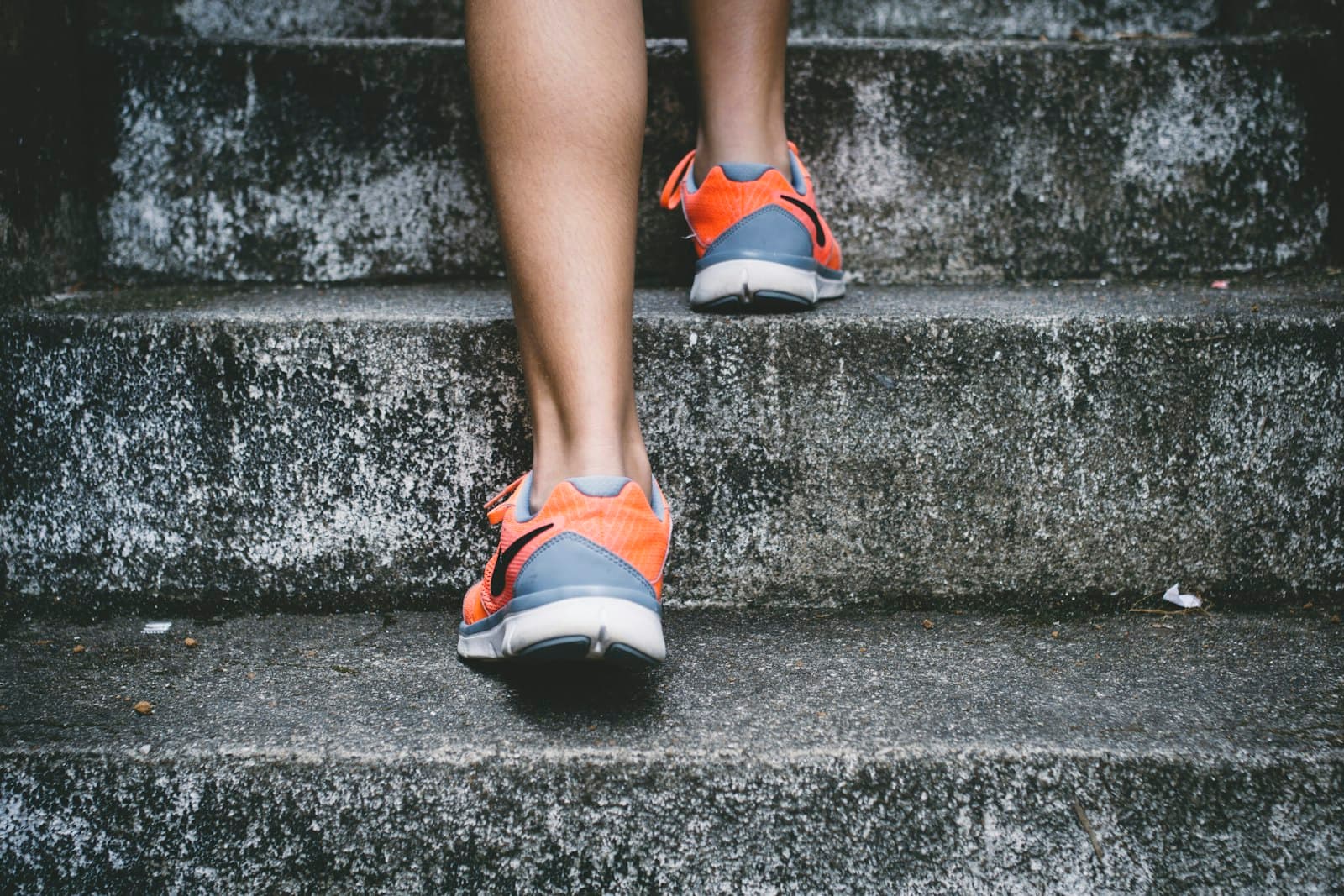
- Stairs. If you live in an apartment block, you have a free and genuinely demanding piece of equipment.
- Cycling, where roads allow.
- Skipping. Cheap, compact, and intense enough that ten minutes is real work. Not suitable if your knees are painful.
- Household work and daily errands. It counts. Cumulative daily movement matters more than most people credit.
The strength half, without weights
This is the part that protects your muscle, and bodyweight is sufficient to start:
- Squats — chair-assisted if needed. The largest muscle group you have.
- Push-ups — against a wall, then a table, then the floor as you progress.
- Lunges or step-ups onto a stair.
- Glute bridges — floor-based and knee-friendly.
- Planks and dead bugs for trunk stability.
Two sessions a week is the target. Progress by adding repetitions, slowing the movement, or increasing difficulty — not by adding hours. A backpack loaded with books is a legitimate weight.
If your knees hurt
Do not push through it. Water-based exercise, cycling and seated resistance work load the muscles without pounding the joint. Weight loss itself helps here — the STEP 9 trial found semaglutide reduced knee osteoarthritis pain in people with obesity, through both reduced load and reduced inflammation.
Keep the expectation honest
Exercise alone is a weak weight-loss tool. It is a strong tool for keeping muscle, improving insulin sensitivity, protecting the heart and sustaining the result — but the deficit is created mostly in the kitchen. If your activity is excellent and your weight is not moving, look at portions and oil rather than adding another workout.
The barrier that actually matters
Consistency beats intensity comprehensively. Twenty minutes daily that you sustain for a year outperforms an ambitious programme abandoned in three weeks. Choose what fits your actual life — the stairs in your building, a walk after dinner, squats while the pressure cooker runs — rather than what looks correct.
Explore the topic
- The MetaFit Care Program
How the doctor-led metabolic health programme works, end to end.
- GLP-1 weight loss in India
The complete guide to GLP-1 therapy, results and safety for Indian patients.
References
- Bull FC et al. World Health Organization 2020 guidelines on physical activity and sedentary behaviour. British Journal of Sports Medicine, 2020 — 150–300 minutes of moderate activity per week, plus muscle strengthening on 2+ days.
- Bliddal H et al. Once-Weekly Semaglutide in Persons with Obesity and Knee Osteoarthritis. New England Journal of Medicine, 2024 (STEP 9).
This article is for general information and is not a substitute for individual medical advice. Prescription medicines referenced here are regulated in India by the Central Drugs Standard Control Organisation (CDSCO) and are dispensed only against a valid prescription from a registered medical practitioner.
Ready to Start Your Weight Loss Journey?
Get a personalized medical assessment from MetaFit's expert doctors — tailored for the Indian lifestyle.
Book a Free ConsultationOr download the app to get started