Quick answer: Paneer is a genuinely useful protein source for vegetarians — about 18 g per 100 g — but it is high-fat at the same time, at roughly 296 kcal per 100 g. It works well in a weight-loss diet when you account for it honestly, and badly when you treat it as a free "healthy protein".
The protein is real, and so is the fat
Most Indian vegetarian diets are short on protein, and paneer is one of the few foods that closes the gap meaningfully in a single serving. That is a real advantage and the reason it belongs in the diet.
The trade-off is that full-fat paneer carries around 25 g of fat per 100 g. Compare tofu at roughly a third of the calories for comparable protein, or low-fat paneer at around 200 kcal per 100 g. None of these makes paneer bad — they just mean a 100 g serving is a 300 kcal decision, not a 150 kcal one. The full macro table is on our calories in paneer page.
The gravy is usually the actual problem
Paneer butter masala, shahi paneer and malai paneer are built on cream, butter and cashew paste. The gravy alone can run 400–500 kcal per serving before the paneer is counted, which means the dish can be triple what people estimate.
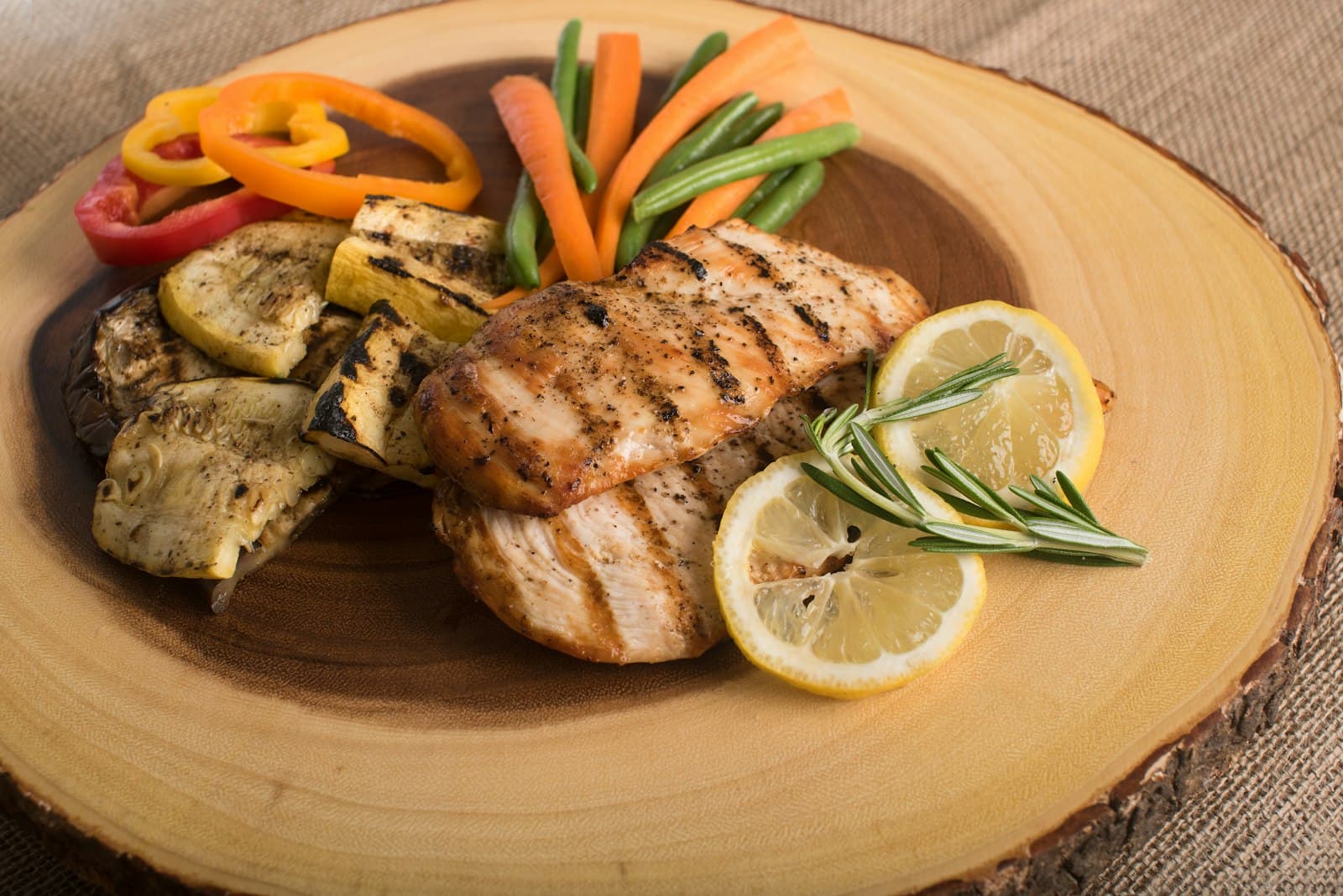
The same paneer grilled as tikka, tossed into a bhurji with vegetables, or added to a tomato-based sabzi costs a fraction of that and delivers identical protein. If you change one thing about how you eat paneer, change the gravy, not the quantity.
Why this matters more on a GLP-1
When appetite is suppressed, total intake falls — and protein tends to fall with it. Losing muscle alongside fat is the main avoidable harm of rapid weight loss, and protein intake plus resistance training are the recognised mitigations. For a vegetarian on treatment, paneer, curd and dal are the practical way to hold protein up when you simply do not feel like eating much.
In that situation, the calorie density of paneer is a feature rather than a problem: you need nutrition in a small volume.
A reasonable way to use it
50–100 g most days, cooked in something that is not primarily cream, is a sensible default for most people. Grilled or bhurji preparations make it easy. If you are tracking, weigh it once or twice to calibrate what a "normal" serving in your kitchen actually is — most people are surprised in one direction or the other.