Quick answer: Indian vegetarian diets are typically high in carbohydrate and lower in protein than most people assume — a bowl of dal has far less protein than its reputation suggests. Protein matters during weight loss because muscle is lost alongside fat unless intake is adequate, and reviews of GLP-1 therapy specifically identify protein intake and resistance training as the mitigations.
The problem with "dal has protein"
Dal does have protein. It just has considerably less per serving than the cultural assumption implies, because a standard katori of cooked dal is mostly water. The protein number people quote is usually for dry weight.
The same applies to roti, rice and most vegetables — small amounts of protein that feel like they add up but do not. Meanwhile the carbohydrate portion is generous. The result is a meal that feels substantial and complete while delivering perhaps a fifth of the protein an active adult needs across the day.
Why this matters more during weight loss
When you eat at a deficit, your body draws on stored energy — and some of that comes from muscle unless you give it reason not to. Muscle is metabolically expensive tissue, and losing it makes maintaining your new weight harder, because a smaller muscle mass burns less.
This becomes acute on appetite-suppressing medication. When you simply are not hungry, protein is usually the first thing to fall away, because it is the least appealing part of the plate when you have no appetite. Then muscle loss accelerates precisely when you can least afford it.
Where Indian vegetarian protein actually is
- Paneer. The most protein-dense common Indian vegetarian option. Worth building meals around rather than treating as a garnish.
- Curd and Greek-style yoghurt. Greek-style is substantially higher in protein than regular dahi for the same volume.
- Soya — chunks, granules, tofu. Among the highest protein per rupee available in India, and it absorbs whatever masala you cook it in.
- Rajma, chana, lobia. Better protein density than most dals, and already central to North Indian cooking.
- Sprouted moong and chana. Cheap, high protein for the calories, and works as a chaat rather than a health food.
- Eggs, if you eat them. The simplest solve available.
- Whey or plant protein powder. Not a moral failure. When appetite is suppressed, a shake is often the only realistic way to close the gap.
Practical restructuring, not replacement
You do not need to abandon Indian food. You need to change the ratios on the plate:
- Make the protein the centre of the meal and the carbohydrate the accompaniment, rather than the reverse.
- Spread protein across all meals instead of concentrating it at dinner. Breakfast is usually the weakest meal in Indian households — chai and a paratha or poha is almost entirely carbohydrate.
- Add a protein to what you already cook rather than inventing new dishes. Paneer into the sabzi, soya granules into the rajma, curd alongside instead of pickle.
- Use thicker dal. Less water, more lentil, meaningfully more protein per katori.
The breakfast fix
If you change one meal, change this one. Besan chilla instead of plain paratha, paneer bhurji instead of aloo, curd with your poha, or eggs if you eat them. Front-loading protein also blunts the glucose rise from the day's first carbohydrate load — useful if insulin resistance is part of your picture.
Pair it with resistance work
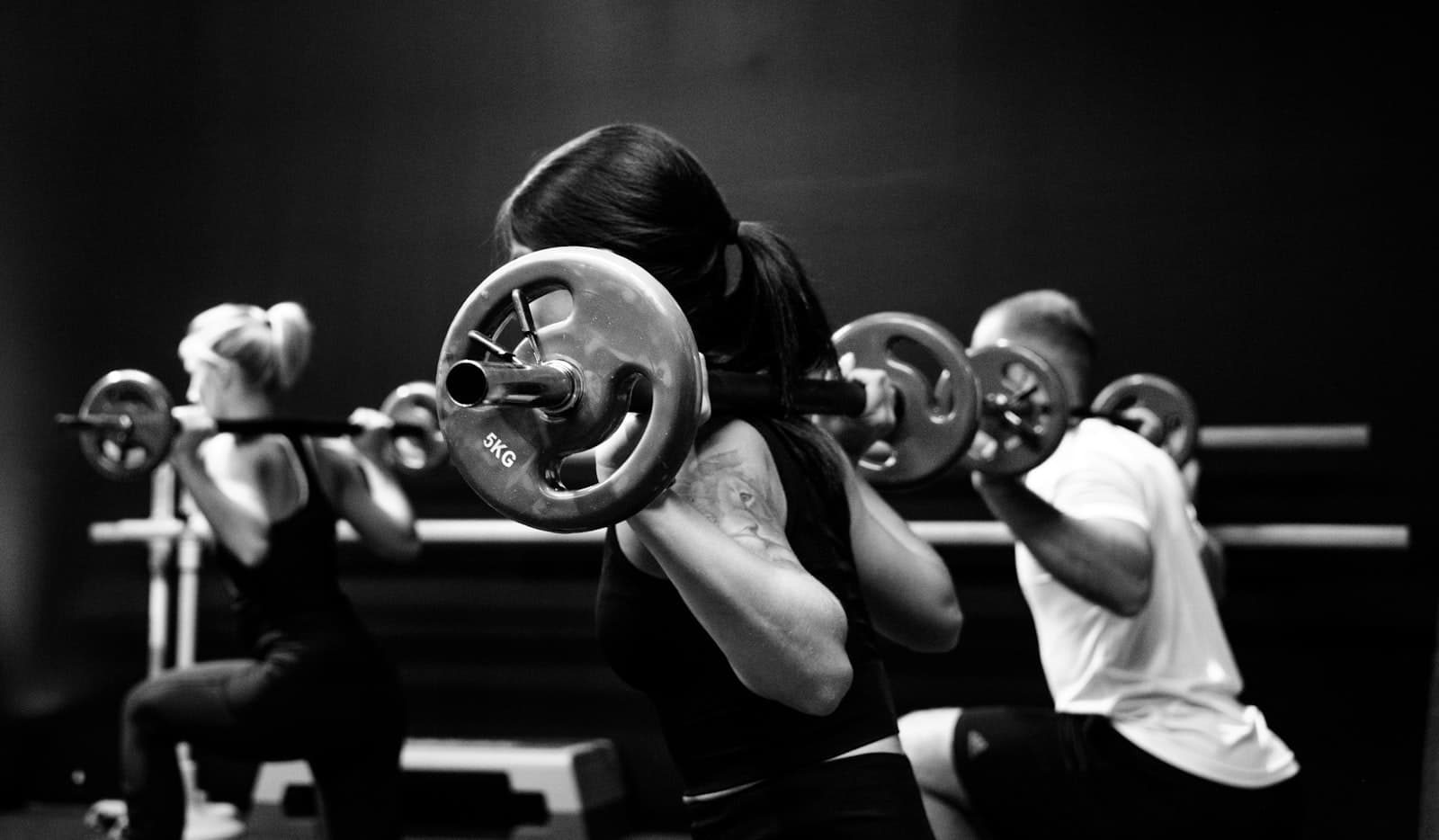
Protein alone does not preserve muscle — it gives your body the material, and resistance training gives it the reason. WHO guidelines recommend muscle-strengthening activity on two or more days weekly. Two sessions a week is the difference between losing weight and losing the right kind of weight.